
































For those with stomach pain
Tsumura-Kampo Anchusan Extract Granules(Anchusan)
Symptom check
-
Stomach hurts due to cold or stress
-
Suffers from chronic gastritis symptoms (stomach pain, indigestion, loss of appetite, etc.)
-
Usually has a weak stomach
Prescription explanation
This Kampo medicine is used for neurogenic gastritis and chronic gastritis accompanied by stomach pain and indigestion. It is suitable for those who originally have a weak stomach and intestines. When stressed or the body gets cold, stomach movement worsens, and excessive stomach acid is secreted, causing unpleasant symptoms. Anchusan improves neurogenic gastritis and chronic gastritis accompanied by stomach pain and indigestion by warming the chilled stomach.
Ingredients and quantity
This product contains 0.75g of dried extract of mixed crude drugs in the following proportions in 2 packets (3.75g).
| Ingredients | Quantity |
|---|---|
| Japanese Pharmacopoeia Keihi | 2.0g |
| Japanese Pharmacopoeia Engosaku | 1.5g |
| Japanese Pharmacopoeia Borei | 1.5g |
| Japanese Pharmacopoeia Uikyo | 0.75g |
| Japanese Pharmacopoeia Kanzou | 0.5g |
| Japanese Pharmacopoeia Shukusha | 0.5g |
| Japanese Pharmacopoeia Ryokyo | 0.25g |
Contains magnesium stearate and lactose hydrate as additives according to the Japanese Pharmacopoeia.
Dosage and administration
Take the following amount with water or hot water before meals.
| Age | Dose amount | Number of doses per day |
|---|---|---|
| Adults (15 years and older) | 1 packet (1.875g) | 2 times |
| 7 years old to under 15 years old | 2/3 packet | |
| 4 years old to under 7 years old | 1/2 packet | |
| 2 years old to under 4 years old | 1/3 packet | |
| Under 2 years old | Do not take | |
When giving to children, please administer under the guidance and supervision of a guardian.
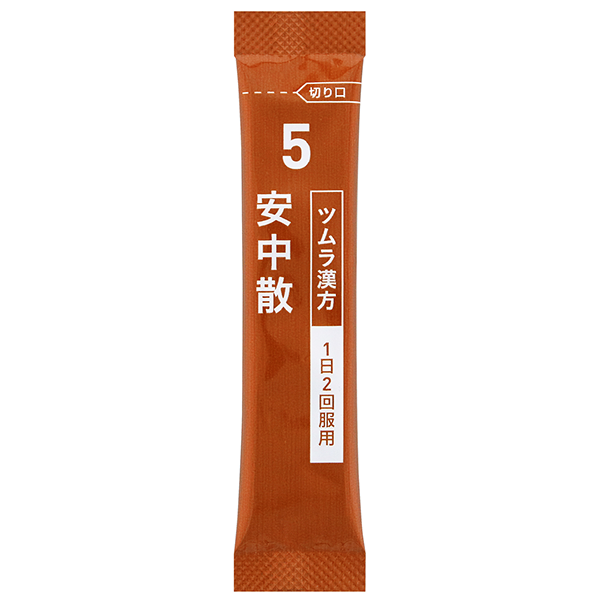
[Stick Packaging]
・OK to take twice a day
・Convenient to carry
・Easy to take
*The image is for illustration purposes only
List of crude drugs
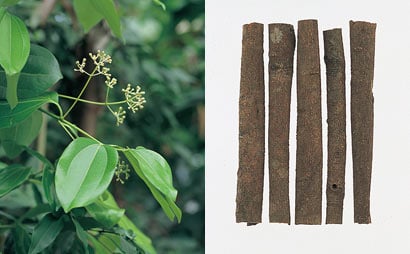
Keihi (Cinnamon Bark)
Bark or partially peeled bark of Cinnamomum cassia Blume of the laurel family
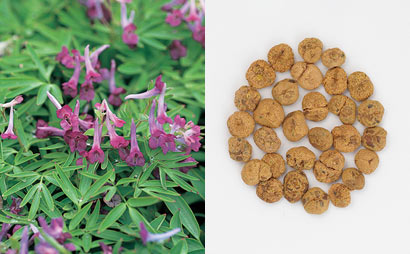
Engosaku (Corydalis)
Tubers of Corydalis turtschaninovii Besser forma yanhusuo Y.H.Chou et C.C.Hsu of the poppy family, usually blanched
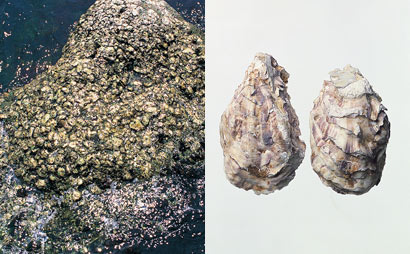
Borei (Oyster)
Oyster shell of the Itabogaki family
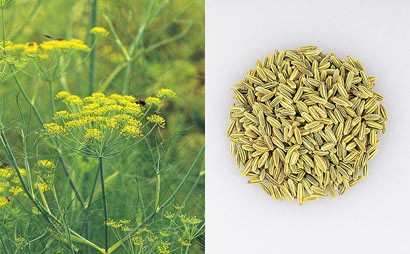
Uikyo (Fennel)
Fruit of fennel of the Apiaceae family
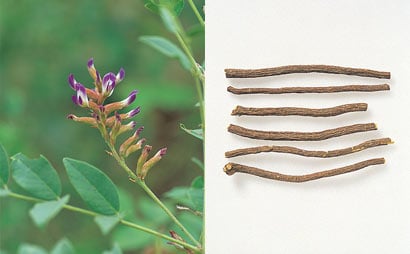
Kanzou (Licorice)
Roots and stolons of Glycyrrhiza uralensis Fischer or Glycyrrhiza glabra Linné of the legume family, sometimes peeled
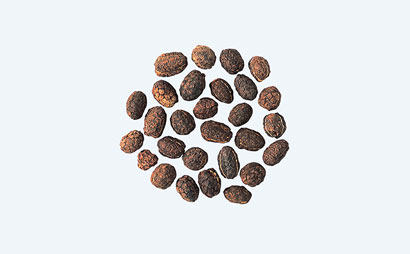
Shukusha (Powder)
Seed clusters of Amomum xanthioides Wallich of the ginger family
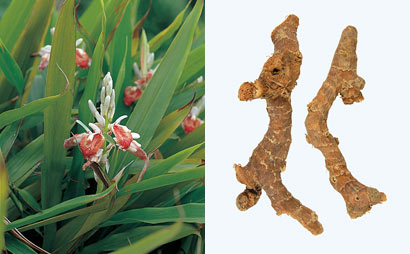
Ryokyo (Good Ginger)
Rhizome of Alpinia officinarum Hance of the ginger family Koryokyo
Frequently Asked Questions about OTC Kampo Formulations and OTC Medicines
-
How many minutes before meals does taking before or between meals mean?
Kampo formulations are usually taken before or between meals.
Taking before meals means 30 minutes before eating, and taking between meals means at least 2 hours after eating and before the next meal.
-
The medicine is to be taken twice a day before meals, but when exactly should I take it?
Take the medicine according to your daily routine, such as before meals in the morning and evening or noon and evening, to avoid forgetting.
Even if you forget to take a medicine that is taken twice a day, please make sure to leave about 6 hours before the next dose.
-
If you do not see effects after taking OTC Kampo formulations (extract granules) purchased at a pharmacy, how long should you continue taking them?
Since it depends on symptoms, diseases, and Kampo formulations, please check the "Precautions for Use" in the attached document.
If symptoms do not improve, stop taking the medication and consult a doctor, pharmacist, or registered seller.


