





































Senna
 Senna
¥710 JPY
/
Senna
¥710 JPY
/

products.product.pickup_availability.unavailable
For those suffering from constipation and related symptoms

Headache, hot flashes, rough skin, pimples, loss of appetite, abdominal bloating, abnormal fermentation in the intestines, hemorrhoids. Start with a small amount and stay within the recommended single dose to find your appropriate amount.
About Senna
Senna has long been used as a laxative in Europe. It works on the large intestine to relieve constipation rather than softening stool, making it effective for various symptoms associated with laxative-type constipation, which is common in women. Senna is listed in the Japanese Pharmacopoeia, the official standard for medicines set by the Ministry of Health, Labour and Welfare.

Features of Senna
Point 1
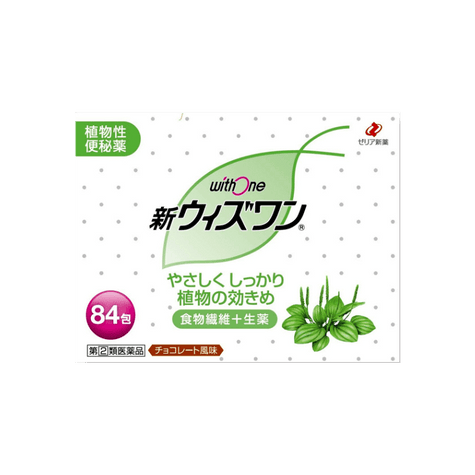
Plant-based laxative
Senna is a herbal medicine native to Africa, containing a type of anthraquinone called "Sennoside" in its leaves and pods. It is a highly effective laxative that has been trusted and used for a long time.

Point 2
Activates intestinal peristalsis
The unique component of Senna, Sennoside, is broken down in the intestines into a substance called Rhein anthrone. This substance stimulates the mucous membrane of the large intestine, activating peristalsis and promoting bowel movements.

Point 3
Does not soften stool
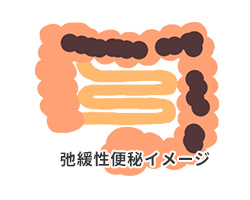
Senna does not soften stool but acts on the intestines to stimulate peristalsis, making it effective for laxative-type constipation, which is common in women. Women tend to develop constipation due to reduced natural intestinal movement, so Senna is said to help relieve this condition.
How to take
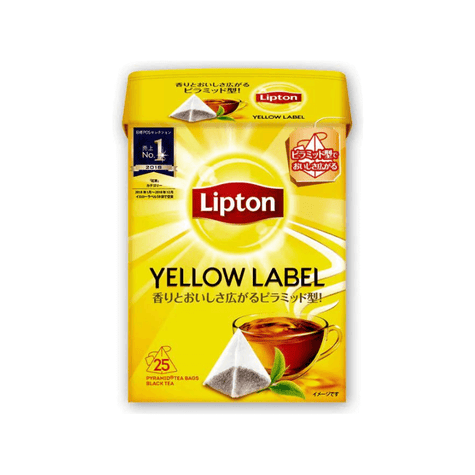
This is a type to be brewed with hot water. You can drink it like tea, but it is a proper medicine with a definite effect. Please brew it in a kettle or pot.
Precautions for use
-
Q When should I take Senna?
- Senna usually takes effect about 8 to 10 hours after taking it, so it is recommended to take it before bedtime.
-
Q Why are additives used in Senna Tablets and Senna Granules?
- Additives are used to bind the active ingredient Senna powder into tablets and granules.
Only ingredients approved by the government are used within the specified limits.
-
Q Is it safe to take Senna while breastfeeding?
- If a breastfeeding mother takes Senna, the laxative components may pass into breast milk, which could cause diarrhea in the baby.
-
Q I am pregnant or might be pregnant, is it safe to take Senna?
- Senna stimulates the large intestine to promote bowel movements and may stimulate the abdomen.
Please consult a doctor, pharmacist, or registered seller before taking it.
-
Q Is it okay if my Senna dosage increases?
- It is fine as long as you take it within the dosage and usage instructions on the package.
Please avoid exceeding the recommended dose to seek stronger effects.
-
Q Is long-term use safe?
- Long-term use is not a problem if taken at the appropriate dosage.
-
Q Are there any side effects of laxatives?
- Side effects of Senna may include skin conditions such as rashes. Taking too much can cause abdominal pain, so please keep the dose to the minimum necessary.
-
Q What foods help enhance Senna’s effect?
Green juice and yogurt containing dietary fiber are considered effective.
- Senna’s components are converted by intestinal bacteria into active substances that produce the laxative effect. Dietary fiber and yogurt are thought to support the growth of these intestinal bacteria.
-
Q Is it safe to combine Senna with diet teas or foods?
- Some diet and bowel movement improvement supplements contain raw materials like Senna stems or Candle Bush, which have the same components as Senna. Combining them may increase the effect, so please be cautious.
-
Q Is it safe for children to take Senna?
- Please follow the pediatric dosage and usage instructions indicated in the package insert for each product (tea, Tablet, Granules, etc.).